


Carrier Sees Post-2035 Opportunity for Chinese-Made Jet as Fleet Renewal Strategy Continues
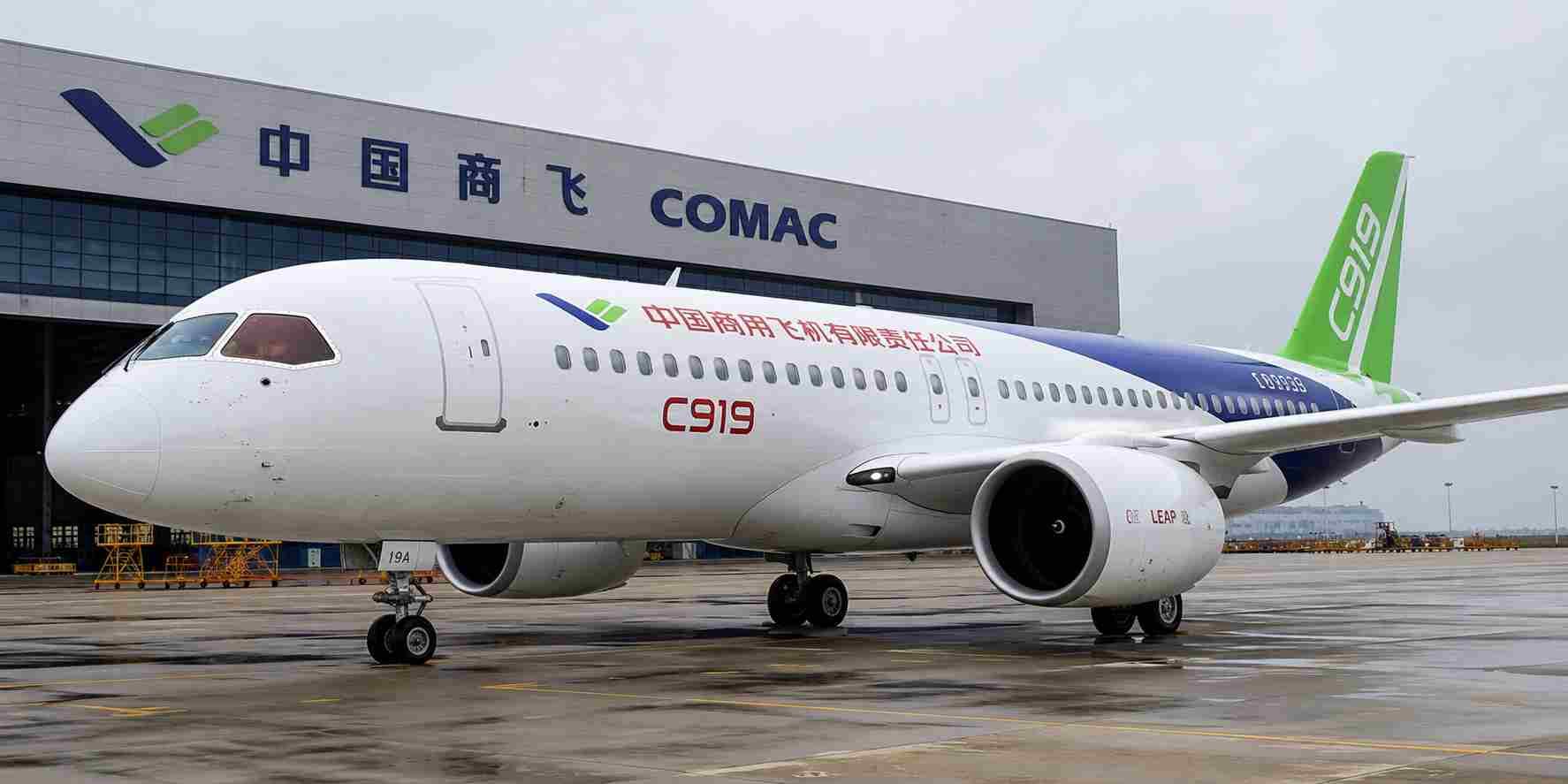
KUALA LUMPUR — Malaysia Airlines says China’s COMAC C919 could become a viable option for future fleet expansion, but the carrier remains focused on internationally recognized regulatory approvals before considering any purchase of the aircraft.
The airline, part of Malaysia Aviation Group (MAG), believes certification from the European Union Aviation Safety Agency (EASA) — and ideally the U.S. Federal Aviation Administration (FAA) — would significantly strengthen the aircraft’s acceptance among global carriers and regulators.
While Malaysia Airlines has already committed to Boeing aircraft for its current narrowbody fleet renewal program, company executives indicated that the COMAC C919 could emerge as a contender during the airline’s next major replacement cycle after 2035.
The comments reflect the airline’s long-term approach to fleet planning as it continues modernizing operations centered around Kuala Lumpur International Airport and expanding its role as a regional aviation hub.
Western Certification Remains a Key Requirement
International Regulatory Approval Seen as Essential
Malaysia Airlines executives say certification from leading Western aviation authorities remains a critical benchmark for any aircraft operating across multiple international markets.
Bryan Foong, CEO of Airline Business at Malaysia Aviation Group, said the company is optimistic that COMAC will eventually secure EASA certification and hopes the aircraft will also gain FAA approval in the future.
According to Foong, these certifications carry significant weight because many countries rely on the decisions of EASA and the FAA when determining whether to approve new aircraft types for commercial service.
For an airline such as Malaysia Airlines, which operates across a broad international network, globally recognized certification is viewed as an operational necessity rather than simply a preferred standard.
Industry observers note that regulatory approval from both agencies would likely improve confidence among airlines, lessors, financiers, and aviation authorities worldwide.
The COMAC C919 entered commercial service in May 2023 and represents China’s first domestically developed narrowbody passenger jet designed to compete directly with the Boeing 737 and Airbus A320 families. Since its introduction, the aircraft has expanded service within China, although it is still progressing through international certification processes.
EASA continues its validation review of the aircraft, including flight evaluation activities conducted by European test pilots in Shanghai as part of the certification pathway.
Foong also pointed to growing aviation and economic cooperation between China, Malaysia, and other Southeast Asian nations, suggesting that stronger regional ties could support broader acceptance of the aircraft once key regulatory milestones are achieved.
Boeing Orders Continue to Drive Current Fleet Strategy
Existing Commitments Cover Near-Term Growth Plans
Malaysia Airlines evaluated a range of aircraft options during its recent narrowbody fleet renewal process but ultimately proceeded with Boeing orders because the C919 was still in the early stages of development at the time.
According to Foong, the aircraft had not yet reached the level of maturity required for consideration when the airline was making its purchasing decisions several years ago.
As a result, the carrier’s existing Boeing commitments are expected to support its planned growth and replacement requirements for the foreseeable future.
The airline does not anticipate placing another significant narrowbody aircraft order until approximately 2035, giving manufacturers ample time to demonstrate advancements in technology, reliability, and operational performance.
That extended timeline could potentially create an opening for COMAC if the C919 successfully secures international certifications and establishes a proven operating record over the next decade.
Malaysia Airlines has maintained communication with COMAC but is not currently engaged in active negotiations regarding aircraft purchases.
Future Decisions Will Depend on Support Infrastructure
Maintenance Network Viewed as a Critical Factor
Beyond certification, Malaysia Airlines says after-sales support and maintenance capabilities will play a major role in any future fleet evaluation involving the C919.
The airline believes COMAC will need to build a stronger maintenance, repair, and technical support network throughout Southeast Asia to effectively serve international operators.
A robust regional support infrastructure is considered essential for airlines seeking reliable aircraft availability and efficient long-term operations.
COMAC has already taken steps to expand its regional footprint, including the establishment of a representative office in Singapore. The manufacturer’s smaller C909 regional jet is also operating with carriers in Vietnam, Laos, and Cambodia, helping increase the company’s presence across Southeast Asia.
Meanwhile, Malaysia Airlines continues to expand its own network in China. The carrier recently launched service to Shenzhen, adding to existing operations in Hong Kong and Guangzhou as it seeks to strengthen Kuala Lumpur’s position as a transit gateway connecting travelers from China with destinations in Australia, New Zealand, and India.
As Malaysia Airlines looks toward its next generation of fleet decisions, executives suggest the COMAC C919 remains a possibility for the future — provided the aircraft can achieve the regulatory approvals, operational track record, and regional support infrastructure required by international carriers.
