


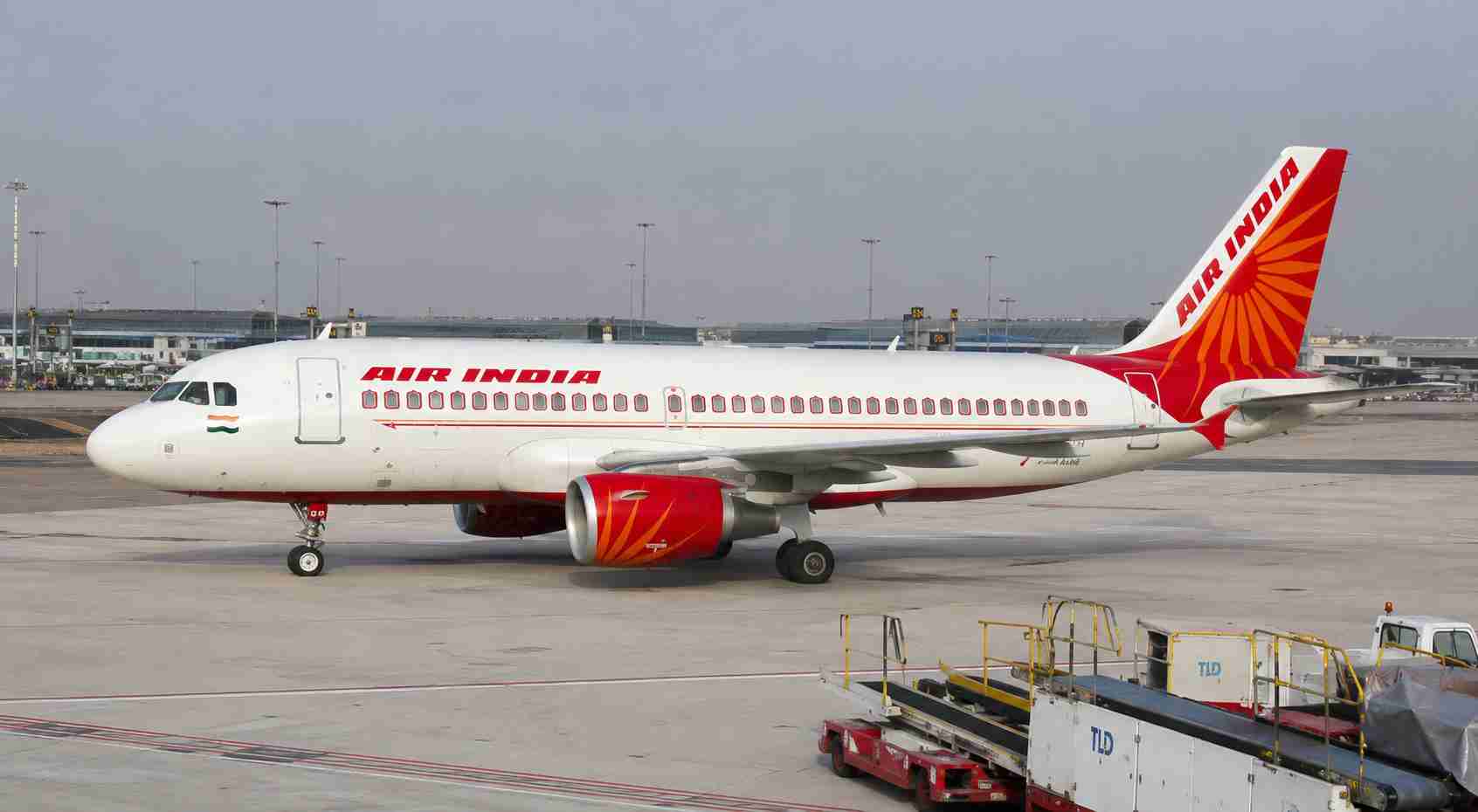
LONDON — Air India has launched the sale of six Airbus A319 aircraft as part of its ongoing fleet modernization initiative, marking another step in the airline’s transformation under Tata Group ownership.
The carrier has appointed Skytech-AIC to oversee the disposal of the aircraft, which were manufactured between 2003 and 2006. The aircraft have been made available for immediate sale as Air India continues replacing older jets with more fuel-efficient Airbus A320neo-family aircraft.
Although financial details of the transaction have not been disclosed and no prospective buyers have been identified, the move reflects the airline’s broader strategy to streamline operations and modernize its fleet. The aircraft have long served domestic and short-haul international routes from Air India’s primary hub at Indira Gandhi International Airport in New Delhi.
Focus on Efficiency and Lower Operating Costs
The six Airbus A319 aircraft are being marketed without their CFM56-5 engines. Industry observers note that retaining the engines may allow Air India to use them for spare parts support, operational requirements, or separate asset management initiatives.
Skytech-AIC confirmed that the aircraft are immediately available for sale but did not provide a timeline for completing the transactions.
The aircraft have been a key part of Air India’s narrowbody fleet for nearly two decades. However, as the airline introduces newer Airbus A320neo-family jets, the older A319s are increasingly being phased out due to their comparatively higher fuel consumption and operating costs.
The A320neo family offers significant improvements in fuel efficiency, emissions reduction, and overall operating economics. These benefits have made the aircraft central to Air India’s long-term strategy of improving profitability while meeting growing demand across domestic and regional markets.
As airlines worldwide seek to reduce costs and improve sustainability, fleet modernization has become a critical component of long-term competitiveness. Air India’s decision to retire older narrowbody aircraft aligns with broader industry trends favoring newer-generation aircraft.
Previous Boeing 747 Disposal Program Completed
The latest assignment strengthens the existing relationship between Air India and Skytech-AIC. The asset management company previously managed the disposal of Air India’s Boeing 747-400 fleet, a process that concluded in 2025 after several aircraft were sold for continued operations or repurposed for alternative uses.
Commenting on the new mandate, Skytech-AIC Managing Director Julian Balaam said the company was pleased to once again support India’s national carrier.
“He noted that the appointment follows the successful completion of the Boeing 747-400 sales program and reflects the firm’s continuing relationship with Air India.”
Skytech-AIC specializes in aircraft sales, leasing, and asset management services, particularly for mature commercial aircraft transitioning out of active airline fleets. The company has worked with carriers and investors worldwide to remarket aircraft and maximize asset value during fleet transitions.
Record Aircraft Orders Support Long-Term Growth
Since returning to Tata Group ownership in 2022, Air India has embarked on an ambitious transformation program aimed at rebuilding its position in both domestic and international aviation markets.
The airline has invested heavily in upgrading passenger cabins, expanding route networks, improving digital services, and renewing its fleet. A major component of that strategy has been the placement of large aircraft orders with Airbus and Boeing to support future growth.
As deliveries of new Airbus A320neo-family aircraft continue, older A319 aircraft are expected to be gradually removed from service. The newer jets provide improved fuel efficiency, enhanced passenger comfort, and reduced maintenance requirements, making them more suitable for Air India’s evolving operational needs.
Industry analysts view the sale of the six Airbus A319 aircraft as more than a routine fleet adjustment. The transaction underscores Air India’s commitment to simplifying its fleet structure, lowering operating expenses, and positioning the airline for sustained growth in an increasingly competitive aviation market.
With new aircraft entering service and older assets being retired, Air India’s fleet renewal strategy continues to play a central role in the carrier’s broader effort to modernize operations and strengthen its long-term financial performance.
