


Boeing 787 Window Switches Become Unexpected Maintenance Expense for Airlines
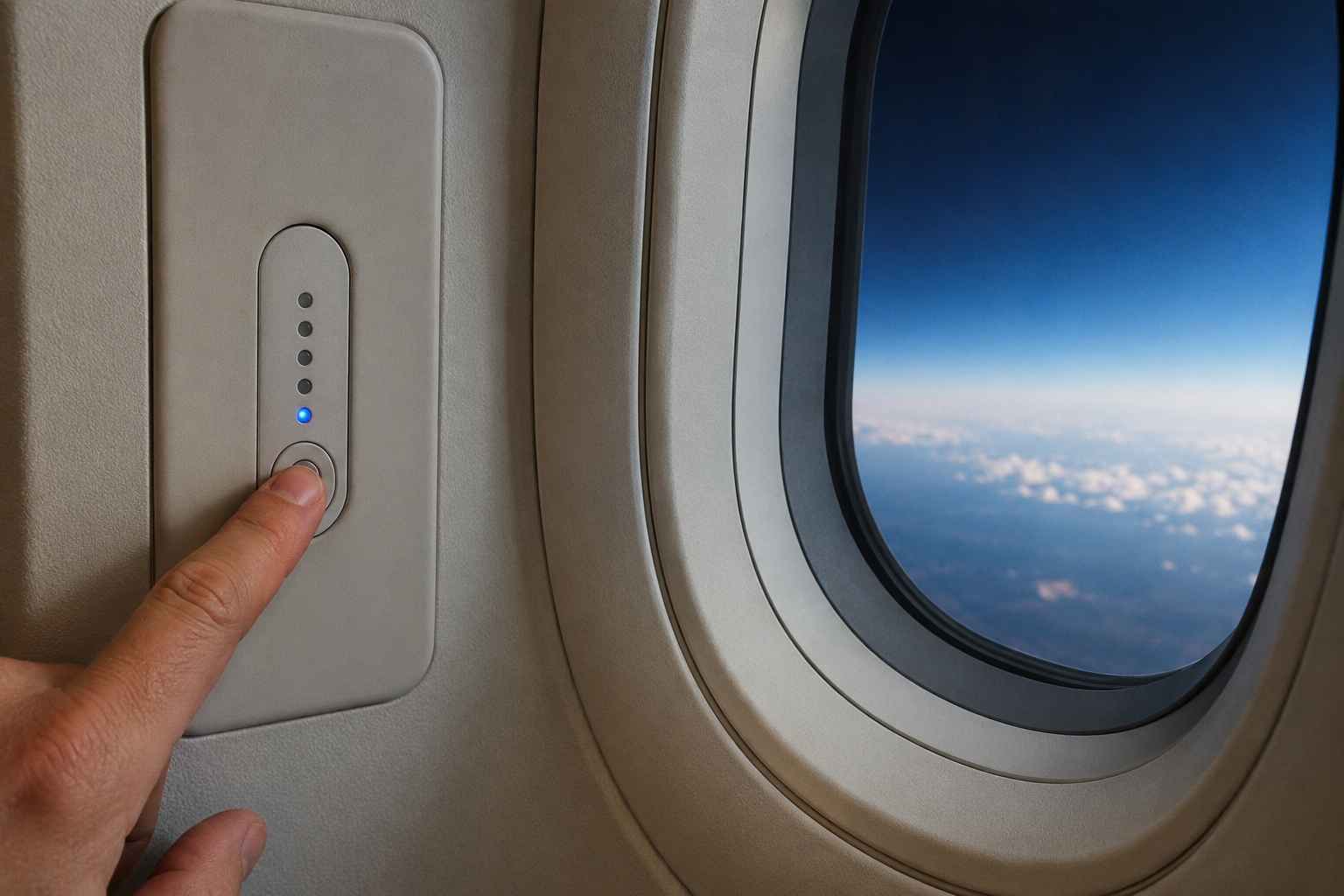
SEATTLE — A small button used to control the Boeing 787 Dreamliner’s signature electronically dimmable windows has become one of the aircraft’s most frequently replaced cabin components, creating an unexpected maintenance expense for airlines around the world.
According to aviation maintenance professionals, the issue stems not from a design defect but from passenger behavior. Travelers often expect the windows to respond immediately when adjusting the tint level. When the change does not occur instantly, many repeatedly press the dimmer switch, accelerating wear on the button and increasing replacement demand across airline fleets.
The situation affects operators of the Boeing 787 family globally, including airlines serving major gateways such as Seattle–Tacoma International Airport. While the Dreamliner’s advanced window technology remains a popular feature among travelers, maintenance engineers say the switches have quietly become a recurring replacement item.
Slow-Dimming Windows Lead to Repeated Button Presses
Passenger Expectations Collide With Window Technology
Unlike traditional aircraft windows equipped with manual pull-down shades, the Boeing 787 relies on electrochromic technology that gradually changes the transparency of the window glass.
The transition is designed to occur over time rather than instantly. Moving from the brightest setting to the darkest typically takes about 60 seconds on newer aircraft, while older systems can require up to 100 seconds. Returning the window to its clearest setting can take even longer, often between two and three minutes.
Because many passengers are accustomed to immediate responses from electronic devices, they frequently press the control button multiple times when they do not see an instant change. Maintenance experts say this repeated use significantly shortens the lifespan of the switch.
Licensed aircraft maintenance engineer Fahad Naim recently drew attention to the issue, noting that maintenance teams regularly replace these controls because excessive button pressing accelerates wear. Although each replacement part is relatively inexpensive, the cumulative cost across a large fleet can become substantial.
Industry professionals estimate that airlines may spend tens of thousands of dollars annually replacing worn dimmer switches, turning a seemingly minor cabin component into a notable maintenance expense.
The Technology Behind the Dreamliner’s Signature Windows
Electrochromic Glass Replaced Traditional Window Shades
The Boeing 787 introduced electronically dimmable windows when the aircraft entered commercial service in 2011. The technology was designed to enhance passenger comfort while eliminating the need for conventional mechanical window shades.
Each window contains a transparent electrochromic gel positioned between multiple layers of glass. When an electrical charge is applied, the gel changes its tint level, allowing passengers to control the amount of sunlight entering the cabin.
The system offers five preset dimming levels, enabling travelers to adjust brightness according to their preferences. A blue LED indicator on the control panel displays the selected tint setting, though maintenance professionals say many passengers overlook the indicator and continue pressing the button while waiting for the window to respond.
The technology was also developed with safety considerations in mind. If a malfunction occurs, the system automatically defaults to a fully transparent state. This ensures passengers and crew maintain visibility and helps airlines comply with emergency evacuation requirements.
In cases where repairs cannot be completed immediately, airlines can install temporary stick-on window shades until permanent maintenance is performed.
Airbus Adopted a Different Strategy
Lessons From the Dreamliner Influenced A350 Development
Passenger reactions to the Boeing 787’s window system appear to have influenced decisions made by Airbus during development of the Airbus A350.
Rather than immediately adopting a similar approach, Airbus initially retained conventional pull-down window shades on the A350. The company later introduced an updated electrochromic window option after improvements were made to the technology.
Gentex, the supplier responsible for the dimmable window systems, enhanced the design for Airbus by increasing dimming speed and improving the amount of light blocked by the windows.
Airbus also moved away from traditional mechanical buttons, implementing touch-sensitive controls instead. The change was intended to reduce wear associated with repeated physical operation and improve long-term durability.
Meanwhile, Boeing is expected to introduce a newer generation of electronically dimmable windows on its delayed 777X program. Until that aircraft enters service, the original Dreamliner window system will continue to be a distinctive feature of the 787 experience.
For airlines, however, the innovative windows represent more than a passenger convenience. A tiny button, pressed thousands of times by travelers expecting an immediate response, has quietly created an ongoing aftermarket business and a recurring maintenance cost across the global Dreamliner fleet.
