


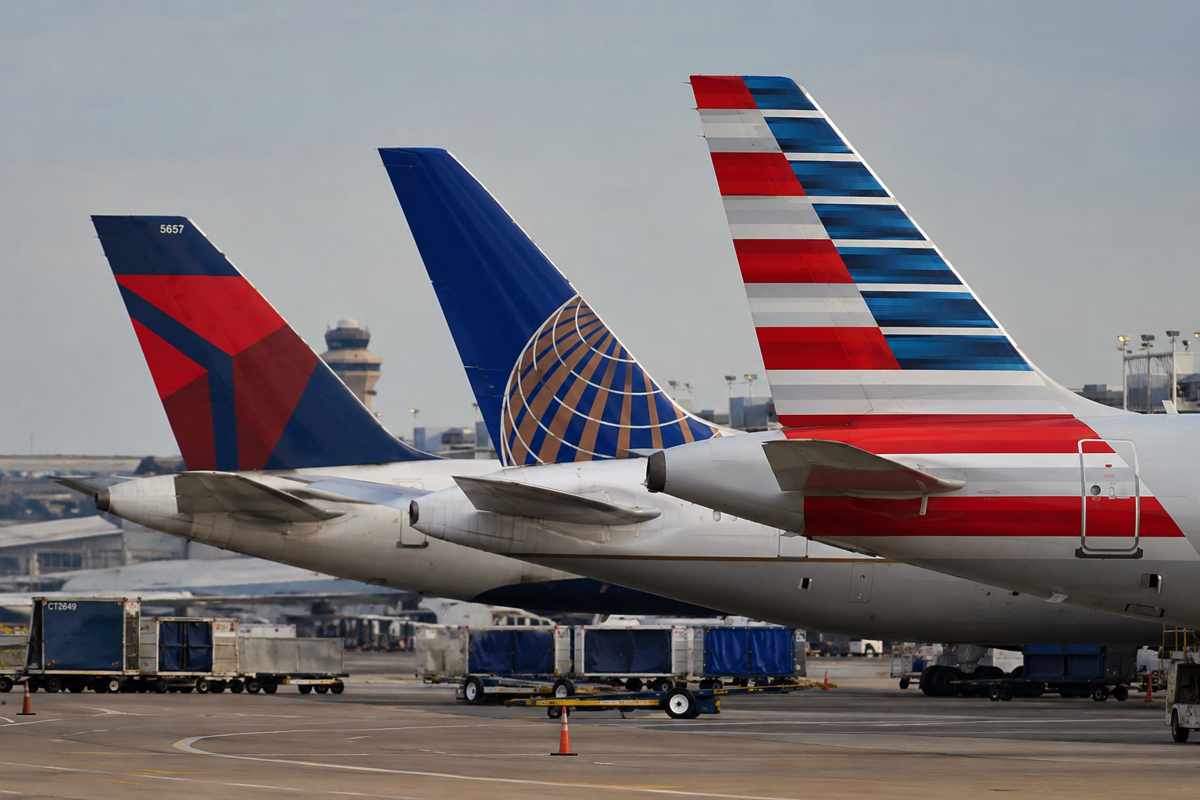
Strict Rules on Flight Changes Leave American Behind Rivals
FORT WORTH — American Airlines is facing growing criticism from frequent flyers over its restrictive same-day confirmed flight change policy, particularly from premium travelers flying through the carrier’s major hub airports.
While the airline continues to market same-day confirmed changes as a customer convenience feature, passengers say strict inventory requirements and limitations on premium cabin changes make the benefit difficult to use in practice. The policy has increasingly drawn comparisons to more flexible systems offered by competitors United Airlines and Delta Air Lines.
For travelers moving through large American hubs such as Dallas/Fort Worth International Airport, the issue has become especially noticeable. Customers seeking to leave earlier, avoid anticipated weather disruptions, or simply gain more schedule flexibility often find few eligible options available despite open seats being sold on alternate flights.
How American’s Same-Day Confirmed Change Policy Works
American Airlines allows eligible passengers to switch to another flight departing on the same calendar day for fees beginning at $60. The fee is waived for AAdvantage Platinum Pro members and higher, Alaska Airlines elite members with equivalent status, and travelers holding full-fare economy tickets.
Unlike standby travel, approved same-day confirmed changes provide passengers with a confirmed seat on the alternate flight immediately.
However, the policy includes several restrictions that narrow eligibility.
Passengers must maintain the same number of flight segments, meaning nonstop itineraries cannot be switched to connecting itineraries or vice versa. Travelers also cannot change their connecting airport when requesting a new itinerary.
The airline further requires availability in a specific fare bucket known as “E” inventory. Even when seats remain available for purchase, a passenger may still be denied a same-day confirmed change if the required inventory class is unavailable.
Critics argue that the policy limits the practical value of American’s large domestic network, particularly for customers traveling between cities served by multiple daily flights.
First Class Travelers Encounter Additional Obstacles
Premium cabin passengers face some of the toughest limitations under the policy.
Travelers already booked in first class must find another flight with both available premium cabin seating and qualifying inventory in order to confirm the change. Some passengers report being able to downgrade from first class to economy to complete a same-day switch, but not transfer directly between first class flights.
The restrictions also affect customers who accepted discounted upgrade offers after initially purchasing economy tickets. According to American’s policy, passengers upgraded through its “Instant Upgrade” process are not eligible for Same Day Flight Change or Same Day Standby services.
Technology issues have added to customer frustration. Several travelers report that eligible flight options sometimes fail to appear in the airline’s mobile application, forcing them to contact customer service agents to process changes manually, according to aviation industry publication View from the Wing.
Hub Travelers Say Flexibility Has Declined
The concerns are particularly significant for passengers based in American Airlines hub cities.
Travelers departing from Dallas/Fort Worth, Charlotte, Phoenix, or Miami often rely on multiple daily frequencies to adjust schedules around meetings, weather concerns, or changing travel plans. Customers say the airline’s inventory controls sometimes prioritize connecting passengers over higher-paying local travelers.
One example cited by travelers involves situations where same-day inventory remains available for passengers connecting through Dallas/Fort Worth from smaller cities such as Waco, Texas, while local Dallas-originating passengers are denied access to the same flight.
Industry observers note that hub-based travelers frequently pay some of the carrier’s highest fares because major hubs are designed primarily to support connecting traffic from smaller regional markets.
Many frequent flyers trace the stricter policies back to management changes following the merger between American Airlines and US Airways. Since then, the airline has tightened same-day change inventory rules, enforced same-connection-city requirements, and shifted from a 24-hour flexibility window to a strict same-calendar-day policy.
United and Delta Offer Broader Flexibility
American’s competitors have adopted more customer-friendly approaches that many travelers consider easier to navigate.
United Airlines does not require elite passengers to connect through the same airport when making a same-day confirmed change. The airline also uses the passenger’s original fare class availability rather than a separate inventory bucket. In addition, United permits changes within a 24-hour window, allowing travelers to move to flights departing the day before or after their original itinerary.
Delta Air Lines similarly provides greater flexibility for premium travelers. First class passengers can confirm onto another same-day flight if premium cabin seats remain available or move to a lower cabin if necessary.
Delta does maintain some limitations on switching between nonstop and connecting itineraries, but it does not require passengers to route through the same connecting city as American does.
Pressure Builds for American to Reevaluate Policies
The growing dissatisfaction arrives as American Airlines continues efforts to strengthen customer loyalty and improve financial performance.
The airline has previously stated that every one-point increase in its Net Promoter Score could generate between $50 million and $100 million in additional value for the company. Industry analysts say revisiting restrictive travel policies could provide a relatively simple way to improve customer satisfaction scores.
Frequent flyers have also pointed to another policy they believe disadvantages customers: American’s refusal to through-check baggage across separate tickets, even when both itineraries are operated by American Airlines or its joint venture partners.
United Airlines, by comparison, permits through-checked baggage across separate itineraries as long as travel remains within the Star Alliance network.
As competition intensifies among major U.S. airlines for premium travelers, flexibility and convenience are increasingly becoming differentiators beyond ticket price alone.
