


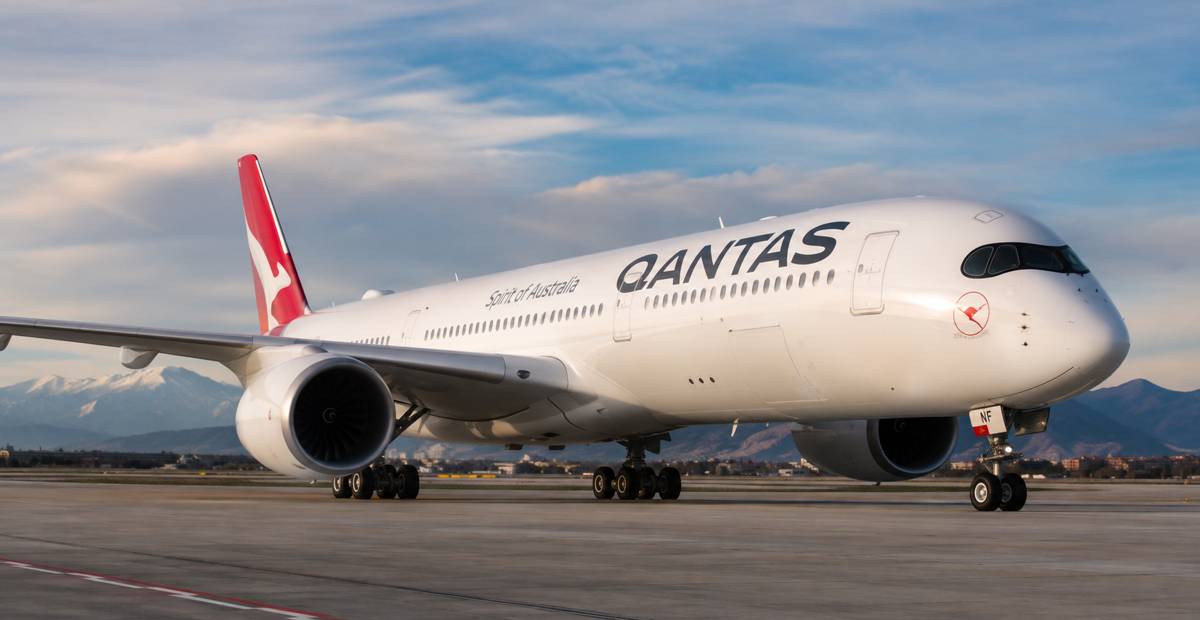
Australian Carrier Explores Airbus and Boeing Options Amid Fleet Renewal Push
PARIS — Qantas Airways is evaluating a potential order for approximately 20 new widebody aircraft as the Australian flag carrier advances its long-term fleet renewal and international growth strategy, according to industry sources familiar with the discussions.
The talks involve both Airbus and Boeing aircraft options, with Qantas reviewing its future long-haul fleet requirements as global international travel demand continues to recover and stabilize. The carrier is assessing aircraft capable of supporting ultra-long-haul operations and expanding connectivity across major international markets.
Qantas, which operates key international services from Sydney Kingsford Smith Airport (SYD), has been steadily modernizing its fleet as part of a broader strategy aimed at improving fuel efficiency, operational flexibility, and network reach over the coming decade.
Qantas Continues Broad Fleet Modernization Strategy
Qantas currently operates a fleet of approximately 128 aircraft and is already engaged in a significant fleet renewal program that includes nearly 200 aircraft orders across multiple categories.
The airline already holds orders for Boeing 787s and Airbus A350-1000 aircraft, including ultra-long-range variants intended for nonstop intercontinental services under its Project Sunrise initiative. The potential additional order would further strengthen the carrier’s ability to expand long-haul operations and increase international capacity.
Industry sources indicate that Qantas is considering the acquisition of around 20 additional widebody jets as part of its evolving long-term fleet structure. While the discussions remain confidential, the deliberations underscore the airline’s continued focus on preparing for future growth in international travel demand.
The airline is assessing Boeing 787 variants alongside Airbus A350 models to support long-haul expansion, including ultra-long-haul missions under its future network plans.
The potential order comes as airlines globally seek more fuel-efficient aircraft capable of operating long-distance routes with lower operating costs and reduced emissions. Both the Boeing 787 Dreamliner family and Airbus A350 series are considered among the most advanced long-range aircraft currently in commercial service.
Airbus and Boeing Compete for Potential Order
Qantas is evaluating Boeing 787 Dreamliner models and Airbus A350 aircraft for its next phase of expansion.
Both aircraft families offer long-range capability and improved fuel efficiency, features that are increasingly critical for airlines operating ultra-long-haul services. The airline already has commitments for Boeing 787s and Airbus A350-1000 aircraft, including specialized variants designed for Project Sunrise operations, which aim to connect Australia nonstop with destinations such as London and New York.
Some existing purchase options may also be exercised depending on the airline’s final fleet planning decisions and future capacity requirements.
Aircraft manufacturers have been competing aggressively for widebody orders as airlines rebuild international networks following years of disruption caused by the pandemic and ongoing supply chain challenges. Delivery availability and production schedules are also expected to influence Qantas’ final decision.
Global Airlines Increase Widebody Investments
Qantas’ review reflects a broader trend among global carriers that are investing in next-generation widebody aircraft to support long-term international growth strategies.
Despite geopolitical uncertainty and continued supply chain constraints affecting aircraft production, airlines are increasingly committing to fleet expansion plans as passenger demand strengthens across key international corridors.
Major carriers, including Singapore Airlines and several Middle Eastern and European operators, have also pursued large-scale investments in widebody aircraft in recent years to secure future delivery positions and maintain competitiveness in premium long-haul travel markets.
For Qantas, the additional aircraft would support efforts to expand network flexibility while improving efficiency across its international operations. The carrier has continued to position itself as a leading operator in ultra-long-haul travel, an area expected to become increasingly important in the competitive global aviation market.
The final decision regarding the potential order is expected to depend on several factors, including long-term capacity needs, aircraft delivery timelines, and ongoing negotiations with Airbus and Boeing.
As Qantas refines its international strategy, the airline’s fleet decisions are likely to play a central role in shaping its future global network and maintaining its position in long-haul international aviation.
