


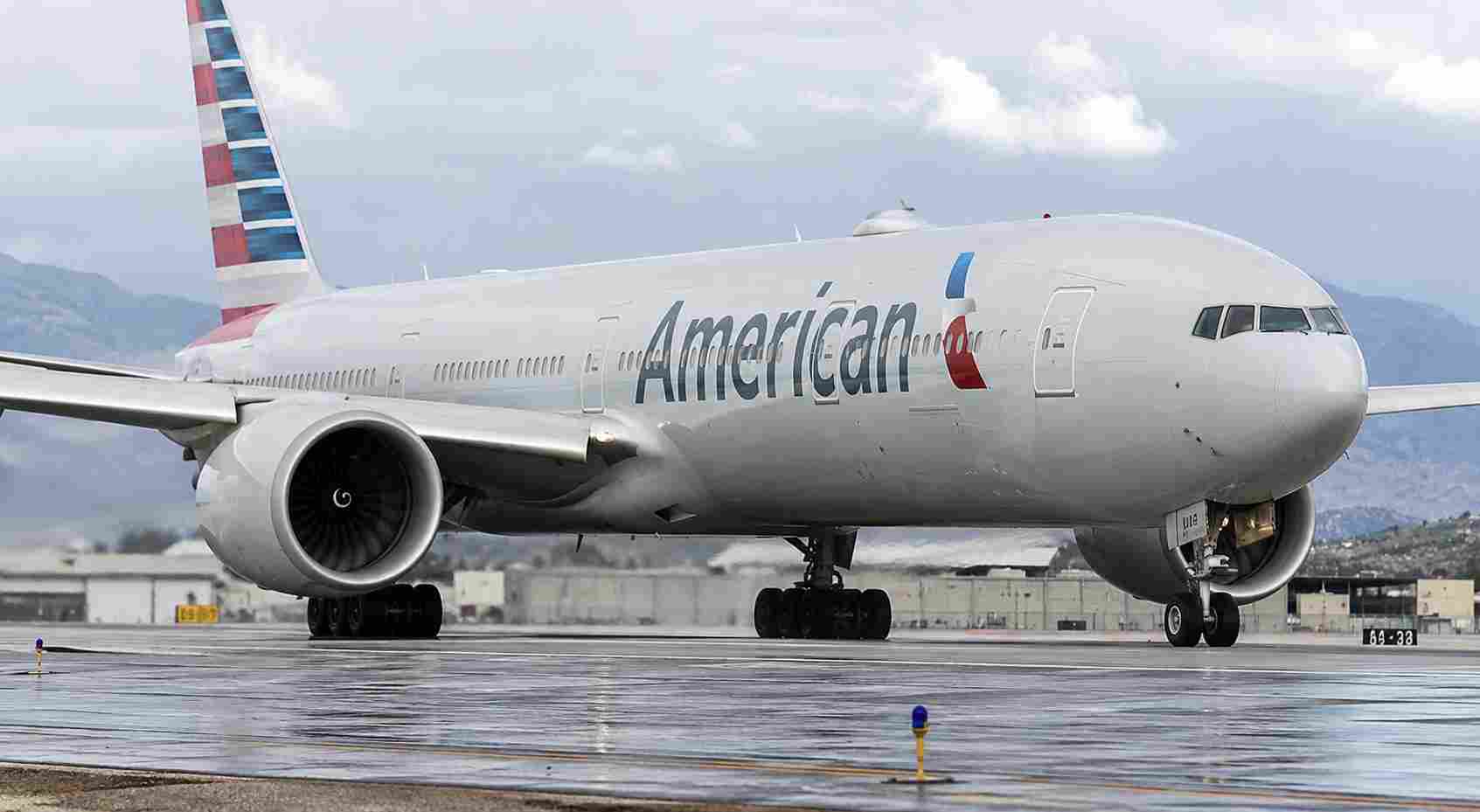
Pilots Declare Mayday After London-Bound Flight Suffers Engine Failure Shortly After Takeoff
An American Airlines Boeing 777-200ER carrying 283 passengers returned safely to Phoenix Sky Harbor International Airport on Friday after suffering an engine failure shortly after departure on a scheduled flight to London Heathrow Airport.
The aircraft, operating as Flight AA194 from Phoenix to London, declared an emergency less than an hour into the journey after the crew reported they were unable to restart the aircraft’s left engine.
According to air traffic control recordings cited by aviation outlet Simple Flying and obtained by ThePlaneSpotter, the crew transmitted the following emergency call shortly after departure:
“American 194, we’re gonna declare mayday, mayday, mayday. We have an engine failure. We’re unable to restart it.”
The pilots subsequently informed controllers they would return to Phoenix rather than continue the transatlantic flight.
Aircraft Returned With 11 Hours of Fuel Onboard
The Boeing 777-200ER involved in the incident, registered N759AN, is nearly 25 years old, according to flight tracking data from Flightradar24. The aircraft departed from gate B13 at approximately 4:35 p.m., slightly behind schedule, before taking off from Runway 25R at around 4:49 p.m. local time.
Flight tracking data showed the aircraft initially followed a standard westbound departure route before climbing through approximately 6,000 feet and turning north. The exact timing of the engine failure remains unclear.
The pilots later confirmed that the aircraft’s left Rolls-Royce Trent 800 engine, identified as engine No. 1, had failed. Despite carrying substantial fuel for the long-haul journey to London, the crew opted not to jettison fuel before returning to Phoenix.
Air traffic controllers asked the crew whether they intended to dump fuel while circling back toward the airport. The exchange was brief:
ATC: “Are you gonna do any fuel dump? You just burning fuel?”
Pilot: “No, we’re not gonna dump any fuel.”
ATC: “Okay.”
The crew reportedly told controllers the aircraft still had approximately 11 hours of fuel onboard when they initiated the return.
Heavy Landing Required Nearly Entire Runway
After leveling off near 7,200 feet and maneuvering north of Phoenix, the aircraft eventually lined up for its return approach. The Boeing 777 touched down safely on Runway 26 at approximately 5:23 p.m.
Because the aircraft retained nearly all of its fuel, the landing weight was significantly above normal operating limits. The jet reportedly required almost the entire 11,490-foot runway to slow down after touchdown.
Emergency Crews Responded as Precaution
Emergency response teams were positioned near the runway before the aircraft landed, according to video footage captured from the airfield.
Following the landing, the aircraft remained temporarily on a taxiway to allow its brakes and landing gear to cool. Aviation outlet ThePlaneSpotter reported that the overweight landing generated substantial heat in the braking system before the aircraft eventually taxied safely back to Terminal 4.
No injuries were reported among passengers or crew.
Aircraft Likely to Remain Out of Service
Flight tracking information indicates the aircraft remained grounded in Phoenix following the incident and could remain out of service for several days or longer while maintenance inspections and repairs are completed.
American Airlines delayed Saturday’s scheduled AA194 departure to 2:00 p.m., according to flight data. The airline has not publicly confirmed whether passengers from the disrupted flight were rebooked on alternative services or provided hotel accommodations.
Fuel Jettison Decisions Carry Operational and Legal Risks
The crew’s decision not to dump fuel before landing comes amid increased scrutiny over fuel jettison procedures following several high-profile incidents involving commercial airlines.
Late last year, Delta Air Lines agreed to pay nearly $80 million to settle litigation connected to a January 2020 emergency involving one of its Boeing 777-200LR aircraft departing Los Angeles International Airport for Shanghai.
In that case, the aircraft suffered a compressor stall in one engine shortly after takeoff and returned to Los Angeles after dumping fuel over populated areas. The lawsuit alleged that more than 50 people experienced skin and respiratory irritation as a result of the fuel release.
A final approval hearing tied to that settlement is scheduled for Monday.
