


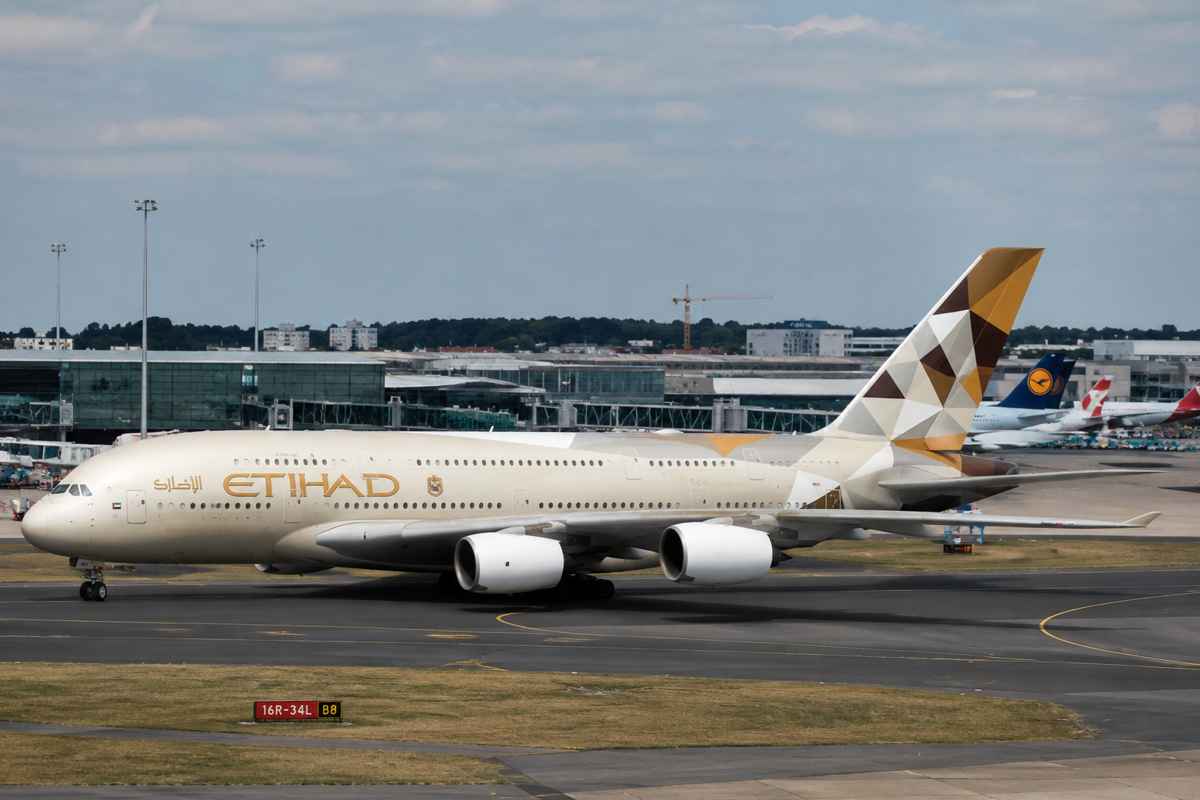
Former Superjumbo Operators Exit Key Long-Haul Australian Routes Amid Fleet and Market Shifts
The Airbus A380 has long been a defining feature of Australia’s international aviation market, serving as a critical aircraft for high-capacity long-haul travel between the country and major global hubs. Yet over the past decade, four major international airlines have withdrawn their superjumbo operations from Australia as changing market conditions and fleet strategies reshaped the industry.
Among the carriers that previously operated Airbus A380 services to Australia were Etihad Airways, China Southern Airlines, Korean Air, and Malaysia Airlines. Each airline once deployed the double-decker aircraft on routes connecting major Australian gateways such as Sydney Kingsford Smith Airport and Melbourne Airport.
While several airlines continue to operate the A380 to Australia — including Qantas, Emirates, Qatar Airways, Singapore Airlines, and Asiana Airlines — the exit of four former operators highlights how the global aviation landscape has evolved since the aircraft’s peak years.
Etihad Airways Maintained the Largest Australian A380 Presence
Sydney Route Became a Core Long-Haul Market
Of the airlines that ended Airbus A380 operations to Australia, Etihad Airways maintained the largest footprint.
Between 2015 and 2020, the Abu Dhabi-based carrier operated more than 2,700 Airbus A380 departures to Sydney and Melbourne from Abu Dhabi International Airport. Sydney represented the airline’s most significant Australian market, accounting for more than 2,100 A380 departures during that period.
Annual frequencies on the Abu Dhabi–Sydney route reached their highest levels in 2018 as Etihad positioned the aircraft as a premium offering for long-haul passengers traveling between Australia and the Middle East.
The airline used the A380 to showcase several upscale onboard products, including The Residence suite, first-class apartments, and expanded business-class seating configurations aimed at high-end international travelers.
Melbourne also briefly hosted Etihad’s superjumbo services before the airline later reduced capacity as part of a broader restructuring effort.
The carrier eventually scaled back its A380 fleet amid financial pressures and changing network priorities, reflecting a wider industry trend favoring smaller and more fuel-efficient widebody aircraft.
China Southern and Korean Air Pulled Back Superjumbo Services
China Southern Focused Heavily on Sydney Operations
China Southern Airlines also became a major Airbus A380 operator in Australia during the aircraft’s operational peak years.
The Guangzhou-based airline operated regular superjumbo services from Guangzhou Baiyun International Airport to both Sydney and Melbourne. Sydney emerged as the stronger market, with the route recording hundreds of A380 departures between 2013 and 2022.
Operations peaked in 2015 before evolving demand trends and fleet adjustments led the airline to reduce its use of the aircraft on Australian routes.
Korean Air Concentrated on Sydney Service
Korean Air, meanwhile, focused its Australian Airbus A380 operations exclusively on Sydney.
Operating from Incheon International Airport, the airline scheduled more than 700 A380 departures to Australia between 2015 and 2020.
The Sydney service became one of Korean Air’s flagship long-haul routes before the COVID-19 pandemic disrupted international travel and accelerated fleet modernization strategies across the aviation sector.
Like many global carriers, Korean Air later shifted emphasis toward more flexible long-haul aircraft capable of operating profitably across a wider range of markets.
Malaysia Airlines Maintained a Smaller A380 Presence
Sydney Received Most Scheduled Operations
Malaysia Airlines had the smallest Airbus A380 presence in Australia among the four former operators.
The carrier operated limited A380 flights between Kuala Lumpur International Airport and Sydney, while Melbourne only received occasional superjumbo services.
Most of the airline’s Australian A380 activity occurred in 2018, when Sydney handled the majority of scheduled operations. Melbourne saw only a small number of A380 flights during the aircraft’s service period with the airline.
Malaysia Airlines ultimately retired its Airbus A380 fleet in 2020 as part of a restructuring program designed to improve operational efficiency and reduce long-term operating costs.
The airline subsequently shifted its focus toward smaller next-generation aircraft offering improved fuel efficiency and lower maintenance expenses.
Australia Remains One of the World’s Largest A380 Markets
Despite the withdrawal of these four carriers, Australia continues to rank among the world’s most important Airbus A380 markets.
International airlines still rely heavily on the superjumbo to serve high-demand long-haul routes linking Australia with Europe, Asia, and the Middle East. The aircraft remains particularly valuable on capacity-constrained routes into Sydney and Melbourne, where strong international demand continues to support large widebody operations.
Although several airlines have retired or reduced their A380 fleets since the pandemic, the aircraft continues to play a significant role in Australia’s long-haul aviation network, ensuring the superjumbo remains a familiar sight at the country’s busiest international airports.
