


A Stopgap Air Force One Plan Takes Shape
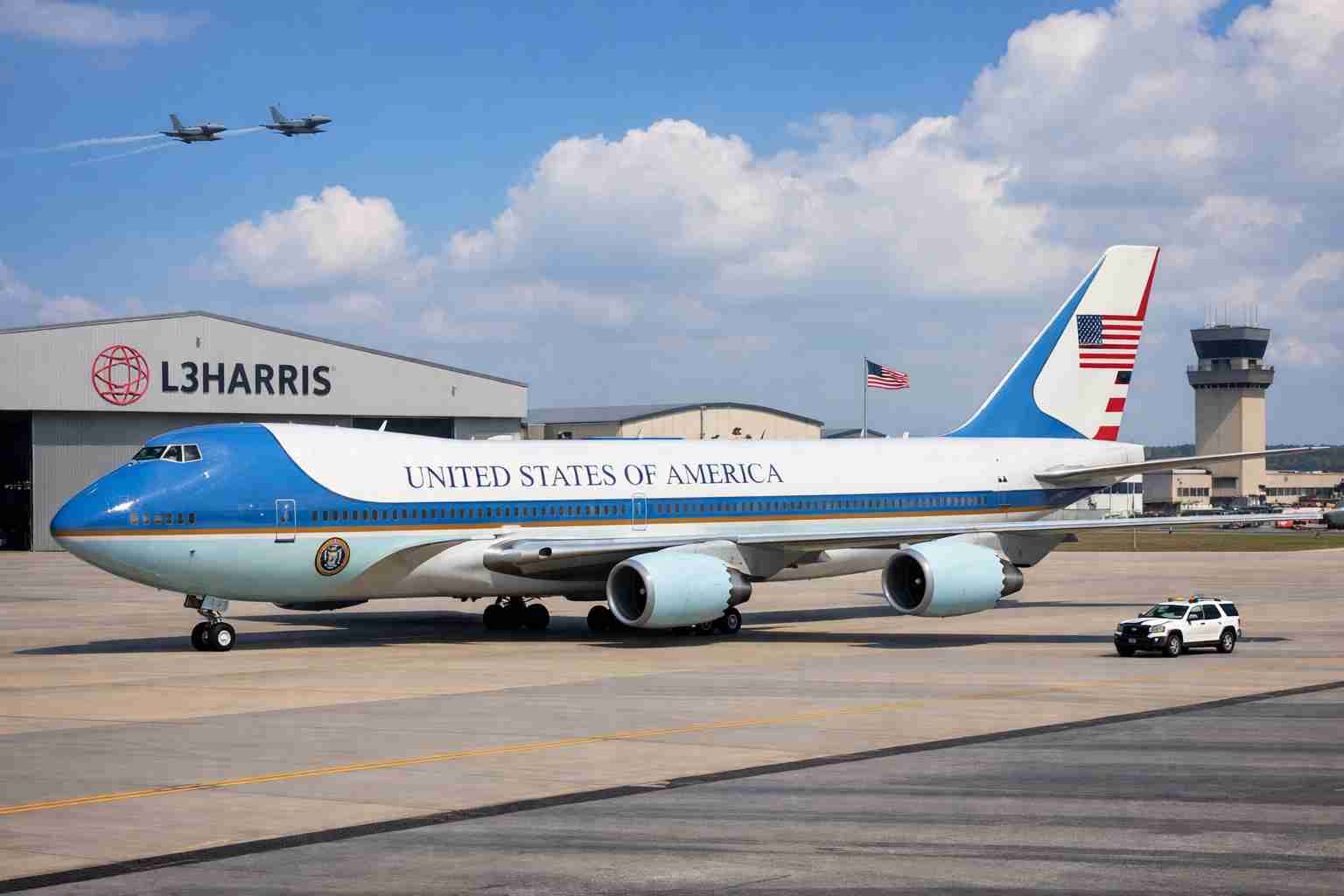
WASHINGTON — The U.S. Air Force plans to place a former Qatari Boeing 747-8i into service as a temporary presidential aircraft by summer 2026, creating a bridge capability as the military’s next-generation Air Force One replacement program remains delayed.
The aircraft, officially designated the VC-25 bridge aircraft, is intended to support presidential travel while the Air Force manages reliability challenges with the aging VC-25A fleet and continues work on the long-delayed VC-25B program.
Qatar Gifted 747 to the U.S., Pentagon Accepted in May 2025
The Boeing 747-8i was previously operated in a VIP configuration for the Qatari government. The Pentagon formally accepted the aircraft in May 2025, launching what officials described as a compressed modification and certification process designed for short-term presidential transport needs.
Unlike permanent Air Force One platforms, the bridge aircraft is not intended to remain in service for decades. Its role is narrowly defined: provide continuity of presidential airlift while the Air Force works through delays affecting the next-generation fleet.
As with all presidential aircraft operations, the jet will only use the Air Force One call sign when the President is onboard, consistent with long-standing aviation protocol.
Accelerated Modifications and Contractor Questions
The Air Force has not publicly named the prime contractor responsible for the aircraft’s refurbishment, Air and Space Forces reported. However, multiple credible reports identify L3Harris as the firm conducting the work. The aircraft has been observed at L3Harris facilities in Texas near Dallas-Fort Worth International Airport (DFW).
Defense analysts say the unusually rapid schedule suggests a limited upgrade package. Officials have declined to disclose technical details, but expected work includes secure communications, defensive awareness systems, and presidential accommodations—rather than full-spectrum survivability upgrades typically associated with long-term Air Force One platforms.
Capabilities and Expected Limitations
Current VC-25A aircraft support in-flight refueling, hardened self-defense systems, and assured communications for nuclear command and control. The bridge aircraft is unlikely to match that capability set.
While it is expected to meet baseline Presidential Mission Assurance requirements, officials have not confirmed whether it will function as an airborne command post. Its operational use may be restricted in high-threat environments or during extended missions that require refueling or maximum survivability.
Defense officials have framed those limitations as a reflection of the aircraft’s temporary mission, rather than a reduction in safety standards.
Operational Pressure on the Existing VC-25A Fleet
The urgency behind the bridge aircraft became clear in January when a VC-25A departing for Europe experienced an issue shortly after takeoff. The presidential party returned to Joint Base Andrews and transferred to a C-32 Boeing 757, a smaller aircraft with reduced range and capability.
The VC-25A fleet entered service during the administration of President George H.W. Bush. With aircraft age driving higher maintenance demands and limited redundancy across the small fleet, concerns about availability have grown—particularly for international travel and rapid-response missions.
VC-25B Delays and Rising Program Costs
The bridge aircraft plan stands in contrast to the troubled VC-25B program. The Air Force acquired two Boeing 747-8 aircraft in 2018 under a $3.5 billion fixed-price contract with Boeing. Delivery is now projected for mid-2028, at least two years later than planned.
Boeing has reported losses exceeding $2 billion on the program, attributing delays to shortages of cleared skilled labor and persistent supply chain disruptions. The prolonged timeline has drawn repeated criticism from President Donald Trump and directly influenced the decision to pursue the Qatari aircraft.
Funding, Oversight, and Policy Implications
While exact refurbishment costs have not been disclosed, officials have acknowledged that the effort will require hundreds of millions of dollars. Funding is expected to come from existing Air Force budget authorities, though congressional oversight remains active.
Accepting a foreign-donated aircraft for presidential use is rare and raises questions about precedent, procurement policy, and long-term fleet planning. Defense officials have emphasized that the aircraft is not intended to remain in the inventory long term and will not alter future procurement strategy.
Planned Service Life and Decommissioning Plans
President Trump stated in May 2025 that the VC-25 bridge aircraft would be decommissioned at the end of his term. He has indicated that the aircraft is expected to be donated to his presidential library.
That defined end state underscores the Air Force’s intent to treat the aircraft as a temporary bridge solution—designed to maintain continuity of presidential airlift until the delayed VC-25B aircraft finally enter service.
