


Two major US conservation organizations have announced new scientific research on the genomes of killer whales that live along the northwest coast of the United States. The population is declining and researchers want to unravel the genetic characteristics to better protect the endangered Pacific population from extinction.
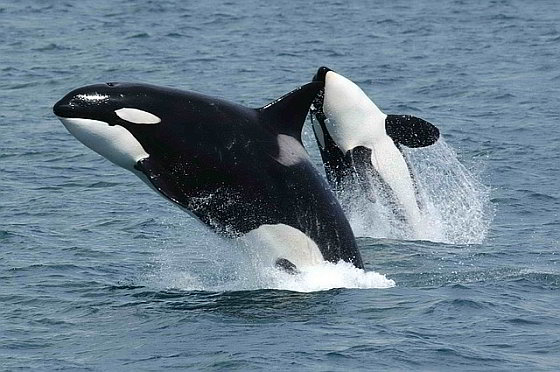
The Northwest Fisheries Science Center and the nonprofit Nature Conservancy have partnered with BGI, an international genomics company. The genome is the complete genetic makeup of an organism and consists of genes. Genes, in turn, consist of DNA, which is the genetic code of an organism.
Population growth is stagnant
This project is examining the genomes of more than 100 killer whales native to the southern part of the region. For this they use skin and other cellular materials collected over the past two decades, from both living and dead animals. According to the researchers, the new information could explain, for example, whether physiological factors such as inbreeding or genetic changes in the immune system hinder population recovery. The first results are expected to appear next year.
Sad low point
Black and white fish eaters suffer from environmental pollution, boat noise, and shortages of their favorite food, Chinook salmon. The population now stands at 74 animals, the lowest number in more than 30 years. Last month, a baby orca died despite a weeks-long international rescue operation. The animals were unable to reproduce for 3 years.
“This project allows us to fill some important gaps in our research on stagnant populations,” explains Mike Ford. He is head of the Department of Conservation Biology at the Northwest Fisheries Science Center in Seattle. “Once we close the gaps, we can look for better solutions.”
Inbreeding affects reproduction
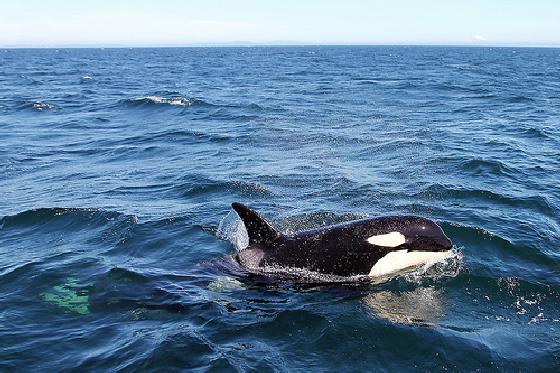
Ford was the lead author of a study published earlier this year. It showed that only two males in the group were fathers of half of the calves born since 1990 and monitored by scientists. “This inbreeding may be a problem, but we don't have enough data to study it thoroughly,” Ford said. For example, inbreeding can affect a female's chances of pregnancy, a calf being born alive, and a calf surviving its early years.
It is already known that pregnancy in females is difficult due to a lack of nutrients, which in turn is caused by a lack of salmon. A multi-year study conducted by the University of Washington, among others, showed last year that two-thirds of pregnancies failed between 2007 and 2014.
Help from a business angle
BGI is an international genomics company. They are participating in a project to examine killer whale genomes. Their analyzes are sent to marine biologists and other participating scientists, who in turn compare the results with the genomes of Alaskans, which are growing very steadily, and of migratory killer whales that visit the waters of the American Northwest during their migration.
Yiwu is CEO of BGI Groups USA in Seattle. Like many residents of this American region, he is also fascinated by the distinctive whales that regularly appear in the waters surrounding Washington state. “We really want to help,” he added. “By looking into the genome of animals we can find out why they don't reproduce.”
Problems from multiple angles
Kevin Werner is chief science and research officer at the Northwest Fisheries Science Center. He explains that there are other non-governmental experts working on the project. The findings will help them put other killer whale problems, such as food shortages or pollution, into context and perhaps come up with other solutions. For example, they could intervene more actively in the future if killer whales have a weak immune system because there is too little diversity in immune system genes in the population.
“We have no idea what to expect,” Ford said. “We may discover something about this group of orcas that we didn't know before.”
source: StarAdvertiser.com @AnimalsToday.nl Anne Duque
