

Close Menu
Aviation Analysis – Industry Travel NewsAviation Analysis – Industry Travel News
    Facebook X (Twitter) Instagram
    Facebook X (Twitter) Instagram
    Aviation Analysis – Industry Travel NewsAviation Analysis – Industry Travel News
    Subscribe
    • Home
    • Top News
    • World
    • Economy
    • Science
    • Tech
    • Sport
    • Entertainment
    • Contact Form
    Aviation Analysis – Industry Travel NewsAviation Analysis – Industry Travel News
    Home»Science»Stanford researchers turn greenhouse gases into food for fish
    Science

    Stanford researchers turn greenhouse gases into food for fish

    Moses YarboroughBy Moses YarboroughDecember 22, 2021No Comments2 Mins Read
    Share Facebook Twitter Pinterest LinkedIn Tumblr Email
    Stanford researchers turn greenhouse gases into food for fish
    Share
    Facebook Twitter LinkedIn Pinterest Email Copy Link

    Methane, like carbon dioxide, is a greenhouse gas. When released into the atmosphere, the gas traps heat and contributes to global warming. Methane is a much more powerful greenhouse gas than carbon dioxide. So reducing methane emissions could lead to significant environmental benefits.

    Methane-eating bacteria

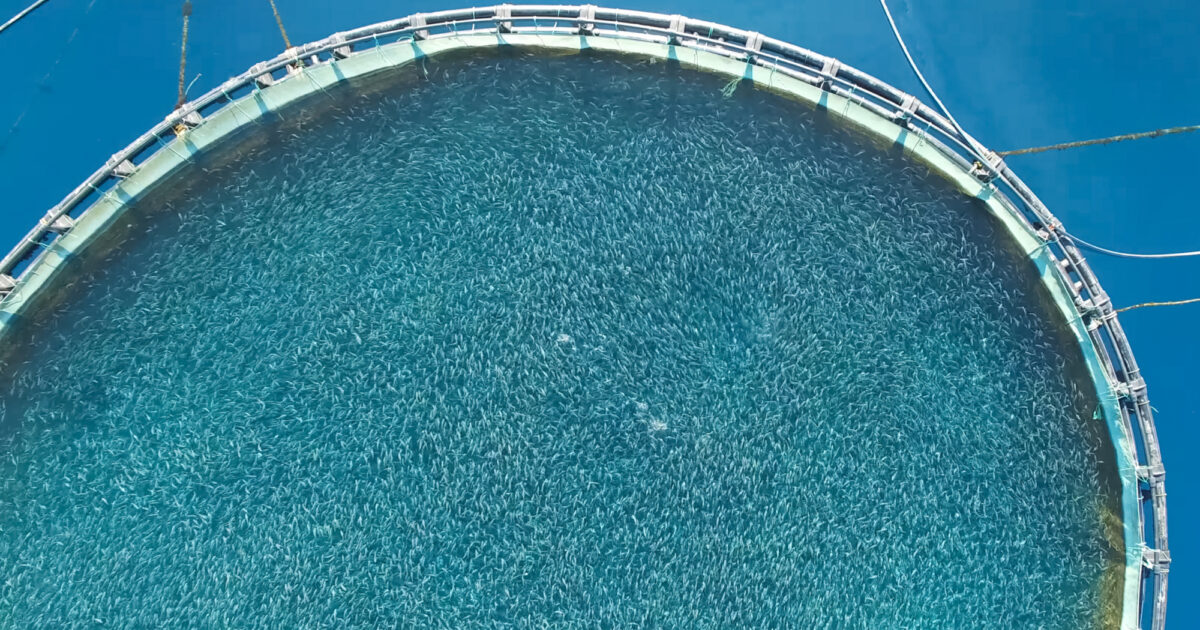
    Researchers at Stanford University in the US have discovered a way to turn methane into a useful product: fish food. They use methanotrophic bacteria for this. These are bacteria that use methane as an energy source. The methane that is released during the extraction of oil (and is often burned) is very suitable for this purpose.

    First of all, methane is slightly purified, during which hydrogen sulfide is removed, among other things. The gas is then pumped into a bioreactor where the methane-hating bacteria are present. They convert the methane into proteins, which you can then dehydrate and feed to the fish.

    Read also: What is methane? How can we reduce emissions?

    The technology of using methane-eating bacteria is not new. But it is economically interesting. Fish food can be made a lot cheaper this way than it is now. In addition, fish food often consists of smaller fish and crustaceans. About 20 percent of the catch is diverted to feed for fish such as farmed salmon. By growing fish food from methane, it can prevent overfishing.

    14% global demand

    According to scientists, the idea has a lot of potential. The methane emitted in the United States during the extraction and processing of crude oil alone could meet about 14 percent of global demand for fish feed.

    Share. Facebook Twitter Pinterest LinkedIn Tumblr Email
    Moses Yarborough

    Devoted music ninja. Zombie practitioner. Pop culture aficionado. Webaholic. Communicator. Internet nerd. Certified alcohol maven. Tv buff.

    Related Posts

    Neodymium Magnet Uses and Safety Tips for 2025

    October 4, 2025

    Researchers want to whiten clouds to combat global warming

    August 28, 2024

    “Blockchain DNA” is possible after scientific progress

    August 26, 2024
    Navigate
    • Home
    • Top News
    • World
    • Economy
    • Science
    • Tech
    • Sport
    • Entertainment
    • Contact Form
    Pages
    • About Us
    • DMCA
    • Contact Form
    • Privacy Policy
    • Editorial Policy
    STAY UPTODATE

    Get the Latest News With Aviationanalysis.net

    OFFICE

    X. Herald Inc.
    114 5th Ave New York,
    NY 10011, United States

    QUERIES?

    Do you have any queries? Feel free to contact us via ourĀ Contact Form

    Visit Our Office

    X. Herald Inc.
    114 5th Ave New York,
    NY 10011, United States

    • About Us
    • DMCA
    • Contact Form
    • Privacy Policy
    • Editorial Policy
    © 2025 ThemeSphere. Designed by ThemeSphere.

    Type above and press Enter to search. Press Esc to cancel.