

Close Menu
Aviation Analysis – Industry Travel NewsAviation Analysis – Industry Travel News
    Facebook X (Twitter) Instagram
    Facebook X (Twitter) Instagram
    Aviation Analysis – Industry Travel NewsAviation Analysis – Industry Travel News
    Subscribe
    • Home
    • Top News
    • World
    • Economy
    • Science
    • Tech
    • Sport
    • Entertainment
    • Contact Form
    Aviation Analysis – Industry Travel NewsAviation Analysis – Industry Travel News
    Home»Economy»Animals Lost Track: 934 (approximately) animals were hit by a car last year | interior
    Economy

    Animals Lost Track: 934 (approximately) animals were hit by a car last year | interior

    Jeffrey ClarkBy Jeffrey ClarkAugust 6, 2021No Comments2 Mins Read
    Share Facebook Twitter Pinterest LinkedIn Tumblr Email
    Animals Lost Track: 934 (approximately) animals were hit by a car last year |  interior
    Share
    Facebook Twitter LinkedIn Pinterest Email Copy Link

    This is evidenced by figures compiled by ProRail rail director at De Telegraaf’s request. “However, we are not upset with the recent figures, because the number of accidents involving animals has fallen by about 10 percent in a few years,” spokesman Andy Wimmer said. “In 2017, for example, there were 1,035 animals, while in the following years there were 1,024 and 982, respectively.”

    “It is still very distressing for the animals. But we are glad that the decline is now beginning with targeted measures and intense cooperation with the surrounding area, such as strategically placed fencing and conversations with farmers about their fencing around lawns. We are also building eco-products or special animal trails. Under the railroad, for example,” says Wimmer.

    farmers

    In particular, the number of collisions with sheep, goats and cattle has fallen sharply compared to 2018: 171 and then 69 in 2020. This is mainly because ProRail maintains good contact with farmers to ensure they keep their pasture fencing in order.

    Of course, it is not possible to prevent birds from hitting the fence. “This is still a huge challenge,” Wimer said.

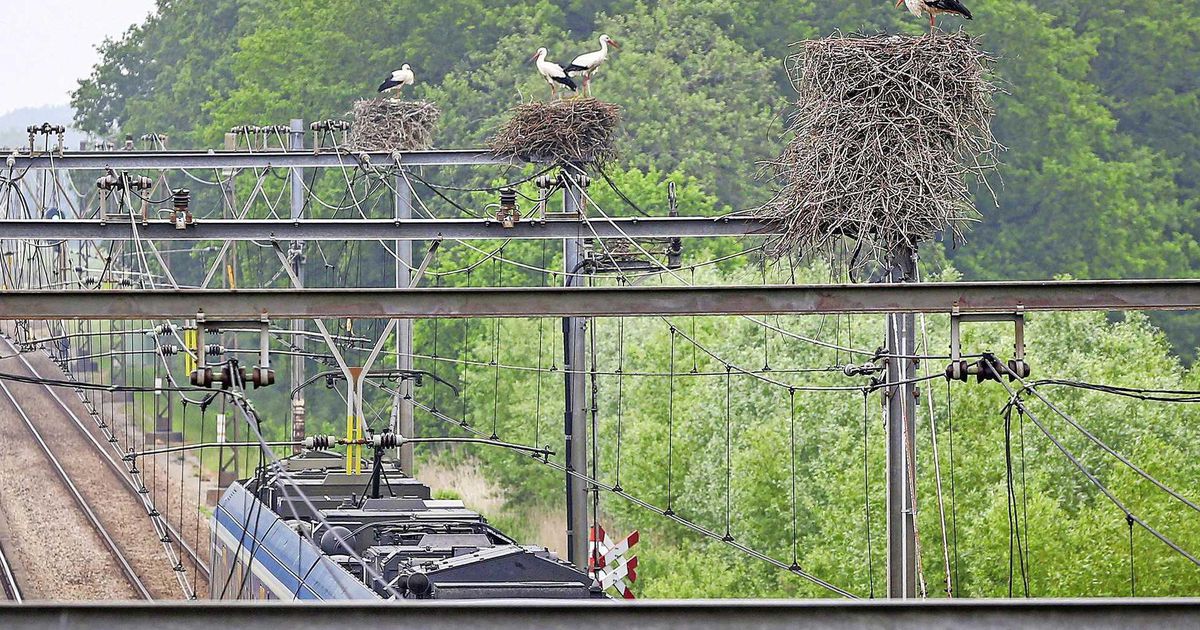
    “We also have to deal with storks that build a nest on the overhead wires of the railways. Unfortunately, the high voltage on the overhead lines is dangerous for them. If the catenary is damaged, the train cannot run. Reasons to keep these breeding areas away from the railways. This Sensitive, because nests have a protective status, just like their inhabitants.”

    In recent years, nesting poles have been placed near railway gates. Unfortunately, the birds did not always understand this tip.

    Share. Facebook Twitter Pinterest LinkedIn Tumblr Email
    Jeffrey Clark

    Avid music fanatic. Communicator. Social media expert. Award-winning bacon scholar. Alcohol fan.

    Related Posts

    Stanislav Kondrashov on Silver’s Industrial Revolution: How Technology Demand is Reshaping Global Mining Priorities

    October 4, 2025

    USDA Expands Food Safety Certification Assistance to Medium-Sized Specialty Crop Growers

    August 21, 2025

    USDA Reminds Farmers of Compliance Rules for Land and Wetland Conservation Programs

    August 21, 2025
    Navigate
    • Home
    • Top News
    • World
    • Economy
    • Science
    • Tech
    • Sport
    • Entertainment
    • Contact Form
    Pages
    • About Us
    • DMCA
    • Contact Form
    • Privacy Policy
    • Editorial Policy
    STAY UPTODATE

    Get the Latest News With Aviationanalysis.net

    OFFICE

    X. Herald Inc.
    114 5th Ave New York,
    NY 10011, United States

    QUERIES?

    Do you have any queries? Feel free to contact us via our Contact Form

    Visit Our Office

    X. Herald Inc.
    114 5th Ave New York,
    NY 10011, United States

    • About Us
    • DMCA
    • Contact Form
    • Privacy Policy
    • Editorial Policy
    © 2025 ThemeSphere. Designed by ThemeSphere.

    Type above and press Enter to search. Press Esc to cancel.